

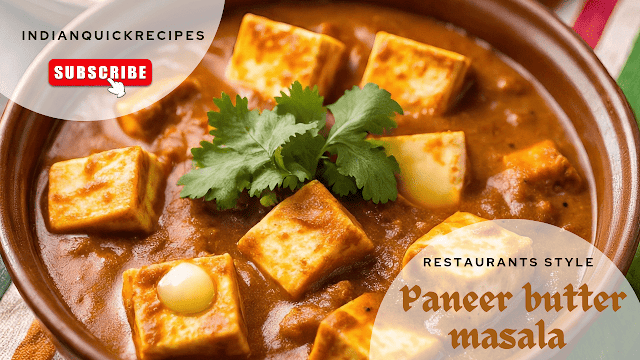
Paneer Butter Masala: Flavor, Texture, Pairings, and What Makes It So Appealing
Some Indian dishes are memorable because they bring together several contrasting flavors without letting any one of them take over. Paneer butter masala is a good example.
It combines soft paneer with a smooth, rich tomato-based sauce, gentle spices, butter, and a creamy finish. The result is comforting rather than aggressively spicy, which helps explain why the dish has become a familiar choice on Indian restaurant menus and at home.
But its appeal is not only about richness. The balance between acidity, sweetness, creaminess, aroma, and the mild flavor of paneer is what gives the dish its character.
What Does Paneer Butter Masala Taste Like?
The first impression is usually creamy and mildly spiced, followed by the tang of tomato and the richness of butter.
There is often a subtle sweetness in the background. That sweetness should support the tomatoes rather than make the dish taste sugary. Aromatic spices add warmth without turning the sauce into a heavily spiced curry.
Paneer itself has a mild, milky flavor. That makes it useful in a sauce with stronger flavors because it absorbs some of the surrounding richness while still retaining its own soft texture.
The finished dish should feel rounded rather than dominated by chilli or individual spices.
Why the Sauce Is the Star
With many paneer dishes, the paneer itself receives most of the attention. Here, the sauce plays an equally important role.
A well-balanced sauce has several layers:
Tomato brings acidity and brightness.
Butter contributes richness.
Dairy softens the sharper edges of the tomato and spices.
Cashew or other creamy elements can add body and smoothness.
Aromatic spices provide warmth in the background.
When these elements are balanced, the sauce feels rich without simply tasting like melted butter or cream.
That balance is also why the dish works with relatively mild paneer.
Rich Does Not Have to Mean Very Spicy
The words “rich” and “spicy” are sometimes used interchangeably when describing Indian food, but they describe different things.
A curry can be rich because of butter, cream, nuts, or other ingredients while remaining relatively mild in heat.
Paneer butter masala is often prepared this way. The focus is on a smooth, aromatic sauce rather than intense chilli heat.
This makes it accessible to people who enjoy Indian flavors but prefer a gentler level of spice.
The Role of Sweetness
Sweetness is one of the easiest characteristics to get wrong.
Tomatoes naturally vary in acidity and sweetness. A slightly sweet tomato can produce a balanced sauce, while a particularly acidic tomato may make the finished dish taste sharp.
A small amount of sweetness can soften that acidity.
The goal, however, is balance. The sauce should still taste primarily of tomato, butter, dairy, and spices rather than becoming dessert-like.
Why Paneer Works So Well With a Rich Sauce
Paneer has a relatively mild flavor compared with strongly aged cheeses.
That makes it a useful canvas for sauces.
Its soft, fresh texture contrasts with the smooth gravy, while its subtle dairy flavor complements butter and cream. It also provides substance without adding another strong flavor that competes with the sauce.
This is one reason paneer dishes can be built around very different flavor profiles, from creamy tomato sauces to smoky marinades and spicy stir-fries.
Paneer Butter Masala vs. Other Popular Paneer Dishes
These dishes may appear together on restaurant menus, but they are not interchangeable.
Paneer Butter Masala and Paneer Tikka Masala
The biggest difference is the treatment of the paneer.
Paneer tikka masala is associated with marinated paneer that is cooked until it develops browned or lightly charred edges before being combined with the gravy.
Paneer butter masala places more emphasis on a smooth, buttery tomato-based sauce and tender paneer.
For the smoky character of cooked or charred paneer, see our Paneer Tikka Masala.
Paneer Butter Masala and Shahi Paneer
Both can be creamy and rich, but their flavor profiles are different.
Shahi paneer is associated with a richer Mughlai-style character, often emphasizing nuts, dairy, and aromatic spices.
Paneer butter masala usually has a more noticeable tomato presence, giving it a brighter and more familiar tomato-based flavor.
Paneer Butter Masala and Chilli Paneer
Chilli paneer takes its cues from Indo-Chinese cooking. It commonly features stir-fried paneer, peppers, onions, chilli, and a savory sauce.
The eating experience is therefore quite different from the smooth, creamy curry associated with paneer butter masala.
Why It Pairs So Naturally With Naan
A rich sauce needs something that can carry it.
Naan works particularly well because its slightly chewy texture makes it easy to scoop up the gravy. The mild flavor also allows the curry to remain the main focus.
Garlic naan adds another layer of aroma, while plain naan provides a simpler contrast.
The same principle explains why the curry also works with rice: the grains absorb the sauce and spread its flavor throughout each bite.
Paneer Butter Masala With Rice or Naan?
There is no single correct pairing.
Choose naan when you want the meal to feel more substantial and bread-focused.
Choose basmati rice when you prefer a lighter way of eating the curry or want the sauce distributed through the rice.
Jeera rice can add another aromatic layer without introducing a completely different flavor profile.
For a richer meal, naan and a creamy paneer curry create a particularly indulgent combination. With plain rice and a fresh vegetable side, the same curry can feel considerably simpler.
How Restaurants and Home Kitchens Can Differ
The version served at a restaurant may taste richer because restaurants often prepare sauces in larger quantities and finish individual portions with additional fat, cream, or seasoning.
Home cooks generally have more control over the balance.
A home version can be adjusted according to the tomatoes being used, the desired level of richness, and personal spice preference.
Neither approach needs to be treated as the single definition of the dish. Paneer butter masala has enough flexibility to work as both a restaurant-style indulgence and an everyday vegetarian curry.
What Gives It a Restaurant-Style Appearance?
Appearance matters with a dish built around a smooth sauce.
A glossy gravy, evenly coated paneer, and a small amount of cream or butter on the surface can create the familiar restaurant presentation.
Colour also plays a role. A deep orange-red sauce is visually associated with many restaurant versions, although colour alone does not tell you whether a curry is well balanced.
A sauce that looks bright but tastes excessively acidic is not necessarily better than one with a softer colour and better balance.
Is Paneer Butter Masala a Good Choice for Vegetarians?
Paneer makes the dish naturally suitable for vegetarian menus when the other ingredients used are vegetarian as well.
It also offers a useful alternative to meat-based curries for people looking for something substantial. Paneer contributes protein and richness while the sauce provides much of the dish’s flavor.
For a dairy-free interpretation, tofu can be used in place of paneer, although the texture and flavor will change considerably.
How to Make the Dish Feel Less Heavy
The richness can be balanced without removing the character of the curry.
Serve a smaller portion with rice, add a fresh salad or vegetable side, and avoid pairing it with several other creamy dishes at the same meal.
The contrast is useful. A fresh, crisp side can make a rich curry feel more balanced from the first bite to the last.
Common Misconceptions About Paneer Butter Masala
It has to be extremely creamy
Not necessarily.
Creaminess can come from several components, including blended nuts, butter, dairy, and the natural body of the cooked tomato base.
It has to be very sweet
No.
A slight sweetness can balance acidic tomatoes, but excessive sweetness can overwhelm the other flavors.
More butter always makes it better
More fat does not automatically create a better curry.
If the tomato, seasoning, and dairy are already balanced, adding substantially more butter can make the dish feel heavy rather than luxurious.
It should contain lots of spices
A long spice list is not required.
This is a dish where restrained seasoning can work better because the smooth sauce and paneer are supposed to remain recognizable.
A Good Paneer Butter Masala Is About Balance
The appeal of this dish comes from contrast.
Soft paneer meets a smooth sauce. Tomato acidity meets dairy richness. Mild sweetness offsets sharpness. Warm spices add aroma without necessarily bringing intense heat.
That balance is what makes the curry versatile enough for a restaurant dinner, a family meal, or a vegetarian spread.
If you are exploring paneer dishes beyond creamy tomato curries, our Paneer Tikka guide takes a different route, focusing on marinated paneer and its grilled, smoky character.
Final Takeaway
Paneer butter masala does not need to be understood simply as a rich curry.
Its real appeal is the way several modest flavors work together: mild paneer, bright tomato, butter, dairy, gentle sweetness, and aromatic spices.
That combination gives the dish a broad appeal without requiring extreme heat or an overloaded spice profile.
And that is perhaps why it continues to sit comfortably between everyday vegetarian cooking and the more indulgent side of Indian restaurant food.