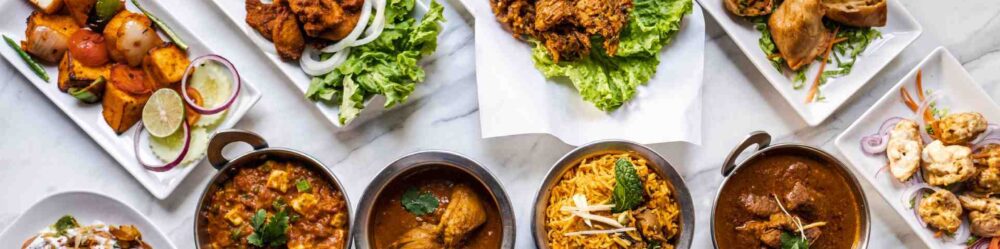

🥦 How to Cook Indian Sabzi with Less Oil (Step-by-Step Guide for Beginners)
🍲 Introduction: Why Does Sabzi Turn Oily So Easily?
If you look at a typical Indian meal, sabzi is always there. It’s simple, daily, and essential.
But here’s the problem:
👉 Most sabzi ends up using more oil than needed.
Sometimes it’s added:
- While frying onions
- During masala cooking
- Again at the end for “taste”
And before you realize it, a healthy vegetable dish becomes oily and heavy.
So the real question is:
👉 Can you cook sabzi with less oil and still make it tasty?
Yes—and once you learn the right method, you won’t go back.
Healthy Indian cooking doesn’t mean sacrificing flavor—these simple techniques make every meal lighter and more delicious.
❓ What Makes Sabzi Taste Good?
Let’s clear a big myth first.
👉 Oil is not the main source of taste.
Flavor actually comes from:
- Fresh vegetables
- Proper spices
- Cooking technique
Oil only helps in:
- Preventing sticking
- Carrying flavors
👉 So when you reduce oil, you don’t lose taste—you just need better technique.
A few smart kitchen tricks can dramatically reduce oil while keeping your sabzi rich in taste and texture.
🧠 What Is the Ideal Oil Quantity for Sabzi?
Before we start cooking, let’s answer this:
👉 How much oil should you use?
For a family dish:
- 1–2 teaspoons oil is enough
Yes, that’s it.
If you’re using more than this daily, that’s where excess calories and cholesterol start building up.
🍳 Step-by-Step: How to Cook Low-Oil Indian Sabzi
This method works for almost all vegetables:
- Aloo
- Bhindi
- Lauki
- Mixed veg
- Cabbage
🔥 Step 1: Heat Oil the Right Way
👉 Add only 1–2 tsp oil to your pan.
- Let it heat slightly
- Add mustard seeds / cumin seeds
👉 Don’t overheat oil—it destroys nutrients and flavor
🌿 Step 2: Add Aromatics (Without Burning)
Add:
- Onion
- Garlic
- Ginger
👉 Now here’s the trick:
Instead of adding more oil…
👉 Add 1–2 tablespoons of water
This prevents:
- Burning
- Sticking
And keeps your sabzi light.
🍅 Step 3: Build Flavor with Spices
Add your basic spices:
- Turmeric
- Coriander powder
- Red chili powder
👉 Cook on low heat
If masala sticks:
👉 Add a little water (not oil)
This process is called “bhuno without oil”
🥕 Step 4: Add Vegetables
Now add your vegetables.
👉 Mix well so spices coat evenly.
Examples:
- Bhindi (okra)
- Lauki (bottle gourd)
- Beans, carrot, peas
💧 Step 5: Use Water Instead of Oil
This is the most important step.
👉 Add a small amount of water
👉 Cover and cook on low flame
This:
- Softens vegetables
- Prevents burning
- Keeps moisture intact
⏳ Step 6: Cook Slowly for Better Taste
👉 Don’t rush cooking.
Low flame cooking:
- Enhances natural flavors
- Keeps nutrients intact
👉 High heat = dry and tasteless sabzi
🌿 Step 7: Final Flavor Boost (No Oil Needed)
At the end, add:
- Fresh coriander
- Lemon juice
- Garam masala (optional)
👉 This gives a restaurant-like finish without extra oil
Your vegetables may be absorbing more oil than necessary—avoid these common mistakes for better results every time.
🥗 Example: Low-Oil Aloo Sabzi (Quick Demo)
Let’s make it real.
Ingredients:
- 2 potatoes (boiled or raw)
- 1 tsp oil
- Cumin seeds
- Spices
Method:
- Heat oil, add cumin
- Add spices + little water
- Add potatoes
- Mix and cook covered
- Finish with coriander
👉 Result: Soft, flavorful sabzi without oiliness
❓ How Do You Prevent Sabzi from Sticking?
This is the biggest challenge.
👉 Try these:
- Use non-stick or heavy pan
- Cook on low-medium heat
- Add water when needed
- Stir occasionally
👉 Never fix sticking by adding more oil
⚠️ What Common Mistakes Make Sabzi Oily?
Avoid these at all costs:
- ❌ Adding oil multiple times
- ❌ Frying onions too long
- ❌ Cooking on high heat
- ❌ Using too much masala paste
- ❌ Thinking “more oil = more taste”
🧂 How to Enhance Taste Without Oil?
If your sabzi feels bland, don’t add oil.
👉 Try:
- Roasted spices
- Fresh herbs
- Lemon juice
- Green chilies
👉 Flavor comes from layers, not fat.
🍳 Which Vegetables Work Best for Low-Oil Cooking?
Some vegetables naturally need less oil.
👉 Best options:
- Lauki
- Tori (ridge gourd)
- Cabbage
- Spinach
- Beans
👉 Slightly tricky (but manageable):
- Bhindi
- Brinjal
- Potato
👉 Just control heat and moisture.
💡 Pro Tips for Perfect Low-Oil Sabzi
- Cut vegetables evenly
- Don’t overcrowd the pan
- Use lid to trap steam
- Add salt at the right time (not too early)
- Keep stirring minimal
👉 For more techniques, read:
How to Reduce Oil in Indian Cooking Without Losing Taste
Choosing the right cooking oil is just as important as using less of it—discover the best options for everyday Indian cooking.
❓ FAQs
❓ Can I Cook Sabzi Without Oil Completely?
👉 Yes, but:
- Texture may change
- Taste may feel different
👉 Best approach: Use minimal oil, not zero
❓ Why Does My Low-Oil Sabzi Taste Dry?
👉 Reasons:
- Not enough moisture
- Cooking on high heat
- Skipping finishing touches
👉 Fix with water + herbs
❓ Which Oil Is Best for Sabzi?
👉 Use:
- Mustard oil
- Groundnut oil
👉 But keep quantity low
❓ How Much Oil Should I Use Per Sabzi?
👉 Around 1–2 teaspoons per dish
🧠 Final Thoughts
Cooking low-oil sabzi is not difficult.
It’s just about:
- Changing habits
- Using better techniques
- Trusting your ingredients
👉 You don’t need to sacrifice taste.
Start with one dish today.
Cook it with less oil.
You’ll notice the difference—not just in taste, but in how you feel after eating.