
Kerala-Style Mutton Ghee Roast Recipe – A Fiery South Indian Treat with Love
 |
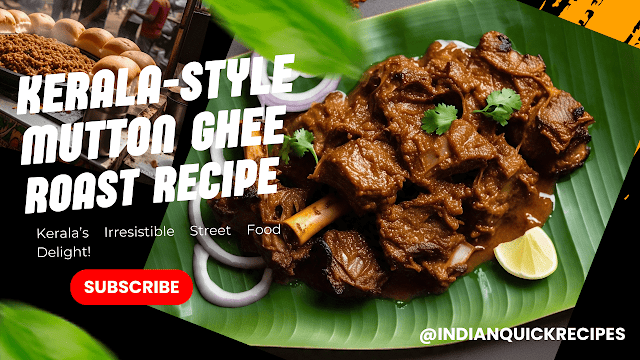
| Kerala-style mutton ghee roast served hot with Malabar parotta and lemon slices |
Close your eyes and imagine the sound of sizzling curry leaves in hot ghee, the aroma of roasted spices, and the rich, deep color of slow-cooked mutton masala. That’s not just food – it’s a love letter from Kerala.
Welcome to a dish that South Indians swear by and food lovers around the world crave — the Kerala-style Mutton Ghee Roast. Unlike your regular mutton curry, this one’s dry, spicy, and oozes with flavor from every bite. It’s not just a meal; it’s a fiery experience served on a banana leaf or a brass plate.
🌟 What Makes Kerala Mutton Ghee Roast So Special?
Here’s what makes this dish unforgettable:
- It’s made with goat meat, not lamb — more traditional and flavorful.
- No shortcuts: whole spices are roasted and ground fresh.
- Desi ghee replaces oil. Yes, that golden goodness matters.
- Dry roast technique — no gravy, just thick, masala-coated meat.
- Infused with curry leaves, dry red chilies, pepper, and coconut.
- Perfect with Malabar parotta, ghee rice, or even bread!
If you love South Indian cuisine, this dish should be on your must-cook list. Whether you serve it at a family gathering or weekend dinner, expect empty plates and spicy smiles.
There’s something irresistible about spicy dry mutton dishes, and this Best Dry Mutton Fry delivers the same bold satisfaction with every bite.
⏰ Preparation & Cooking Time
| Step | Time |
|---|---|
| Marination | 1–8 hours |
| Cooking (Pressure cook or slow simmer) | 20–25 minutes |
| Roasting with masala | 15–20 minutes |
| Total Active Time | ~45 minutes (excluding marination) |

Kerala Mutton Ghee Roast Recipe
Ingredients
Equipment
Method
- In a bowl, combine the mutton with turmeric powder, red chili powder, salt, yogurt, ginger-garlic paste, and lemon juice. Mix well and marinate for at least 1 hour or overnight in the refrigerator for deeper flavor.
- Transfer the marinated mutton to a pressure cooker or heavy pot. Add a small amount of water and cook until the meat is about 90% done. Reserve the cooking stock for later use.
- Dry roast coriander seeds, fennel seeds, dry red chilies, peppercorns, cinnamon stick, cloves, and cardamoms until aromatic. Add garlic, ginger, chopped onion, and grated coconut and roast until lightly golden. Cool the mixture and grind it into a thick, smooth paste.
- Heat ghee in a heavy-bottomed pan. Add fresh curry leaves and let them splutter. Add the prepared masala paste and roast on medium heat until the raw smell disappears and ghee starts releasing from the sides.
- Add the cooked mutton to the roasted masala. Mix gently so every piece is coated evenly. Add a little reserved stock if needed and continue roasting on low heat for 15–20 minutes until the masala becomes thick, dark, and clings to the meat.
- Taste and adjust salt if needed. Serve hot garnished with fresh curry leaves and an optional drizzle of warm ghee.
Notes
💡 Ingredient Alternatives
- Mutton: Goat meat gives best results, but lamb shoulder or even chicken can work in a pinch (reduce cooking time for chicken).
- Ghee: Please don’t replace it! But if you must, use a mix of butter and oil (not the same, though).
- Dry red chilies: Byadagi chilies for color, Guntur chilies for heat — or use Kashmiri chilies for milder versions.
- Grated coconut: Optional, but adds depth. Skip if unavailable or sub with 1 tsp coconut milk powder.
🧠 Pro Cooking Tips
- Don’t skip marination: Let the mutton absorb flavors deeply — longer the better.
- Slow cook if you have time: Pressure cooking is fine, but low and slow brings out richness.
- Grind to a thick paste: Masala should be smooth, not gritty.
- Ghee over oil, always: That’s what makes this a “ghee roast” — don’t cheat!
- Roast until sticky: Final texture should be thick, not saucy. Masala must cling to the meat.
Still hungry for more? Explore these Best Mutton Recipes at Home and discover why mutton lovers never run out of delicious options.
🥘 How to Serve Mutton Ghee Roast
- Best pairings:
- Kerala-style Malabar parotta (soft and flaky)
- Ghee rice or plain white rice
- Neer dosa or appam
- Or even garlic naan and hot chapatis
Garnish with:
- A few fresh curry leaves
- A final drizzle of warm ghee (for that extra punch)
🍽️ Storing & Reheating
- Refrigerate leftovers in an airtight container. Stays good for 3 days.
- Reheat gently on a tawa with a few drops of ghee. Avoid microwaving — it kills the flavor!
Flavor Tip: It tastes even better the next day as the masala settles into the meat.
🔄 Variations You’ll Love
- Chicken Ghee Roast: Same recipe, just reduce cooking time.
- Prawns: Marinate for 15 mins, sauté directly in masala (no pressure cooking).
- Vegetarian version: Use mushrooms or paneer – not traditional, but delicious.
- Add a teaspoon of jaggery if you like a hint of sweetness.
If you think Kerala cuisine packs a punch, wait until you taste the intense flavors of this Authentic Andhra Mutton Fry.
❓ Frequently Asked Questions
Q: Is this the same as Mangalorean Ghee Roast?
A: Similar, but Kerala-style uses more pepper, coconut, and often goat meat instead of chicken.
Q: Can I skip coconut?
A: Yes. It’s optional, but gives a slightly creamy depth to the masala.
Q: Can I make it less spicy?
A: Use fewer red chilies or switch to Kashmiri chilies for milder heat with rich color.
Q: Why ghee and not oil?
A: Ghee gives that nutty, rich aroma. It’s the soul of this dish. No compromise here.
💬 Final Thoughts
Kerala Mutton Ghee Roast is not just a dish. It’s a soulful, fiery celebration of spice, heat, and love for bold flavors. With each bite, you’ll feel the depth of roasted masala, the richness of desi ghee, and the tenderness of slow-cooked mutton. Whether it’s a family dinner or festive feast, this recipe never fails to impress.
So, tie your apron, heat that kadhai, and let the aromas of Kerala fill your kitchen.
📜 History of Mutton Ghee Roast
The roots of ghee roast trace back to Kundapura, a small town near Mangalore. Originally made with chicken, the dish slowly spread across South India, especially in coastal Kerala where cooks began using goat meat, coconut, and black pepper — adapting it to suit the Malabar palate.
What started as a rustic dish in small eateries is now a star of wedding menus, festive lunches, and coastal hotels. Its bold flavors and traditional prep method make it a standout in South Indian cuisine.
Fans of traditional meat delicacies often swear by this crispy and flavorful Mutton Liver Fry, another dish that’s impossible to forget.