
Chicken Chettinad: The South Indian Curry That’s Worth the Extra Effort
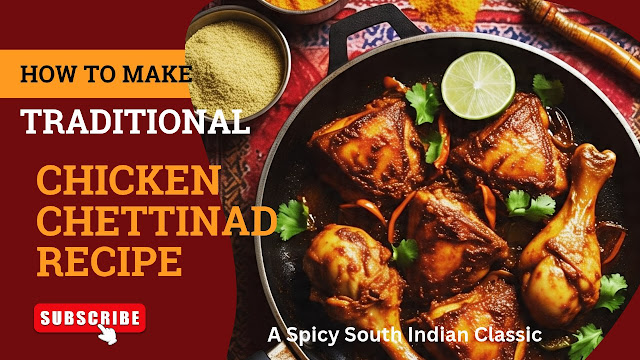
There’s a particular smell that fills my kitchen when I’m making Chicken Chettinad, and it happens before the chicken even goes in the pan. It’s the roasted spices — black pepper, dried chilies, fennel, coconut, curry leaves — all toasting together and turning fragrant. If you’ve never smelled a Chettinad masala coming together, it’s worth making this dish for that alone.
But the smell is just the preview. What makes this curry genuinely special is how many things are happening in one bite. There’s real heat, but it’s not a one-note burn. Fennel and onion bring a little sweetness. Roasted coconut adds body and a nutty richness. Underneath all of it is that deep, earthy spice base that Chettinad cooking is known for. Get the balance right, and the dish reads as complex rather than just “spicy.”
If you like bold regional chicken curries, it’s worth also trying Chicken Malvani, a coastal curry with its own distinct spice profile. Both dishes are good examples of how roasting and layering spices — rather than just dumping in a spice mix — completely changes how a chicken curry tastes.

You’ll find the full ingredient list and step-by-step method in the recipe card below. What I want to walk through here is the handful of details that actually separate a decent Chicken Chettinad from a really good one.
What Actually Gives Chicken Chettinad Its Flavor
It’s tempting to think one “secret spice” is responsible for how good this curry tastes. It isn’t. The flavor comes from how the ingredients are handled, not just which ones go in the pot.
The whole spices are roasted first, before grinding. That roasting step is what pulls out black pepper’s slow-building heat, gives fennel its sweet aromatic edge, and lets coriander and cumin settle into a warm, rounded background note. Toasted coconut ties it all together, softening the sharper spices and adding richness.
From there, that ground masala goes into an onion-tomato base that’s been cooked down until it’s thick and concentrated — not simmered lightly, but properly reduced. That step matters more than people expect. You can have every spice measured correctly and still end up with a curry that tastes thin and flat if the base hasn’t been cooked long enough.

Chicken Chettinad Recipe
Ingredients
Equipment
Method
- Toss chicken with lemon juice, turmeric, salt, and a pinch of Chettinad masala.
- Let it rest for 30 minutes.
- Even a short marinade helps the meat absorb spices better.
- Roast whole spices and coconut on medium heat till aromatic.
- Let cool, then grind to a coarse powder.
- Keep aside.
- Heat oil.
- Add curry leaves and onions.
- Sauté till golden brown.
- Add ginger garlic paste and cook till raw smell fades.
- Toss in chopped tomato.
- Cook till it breaks down and oil separates.
- Add the chicken and sauté for 5–7 minutes.
- Sprinkle salt and turmeric.
- Mix well.
- Stir in the Chettinad masala powder.
- Roast for 2–3 minutes.
- Add a splash of water.
- Cover and cook on medium-low till chicken is tender (20–30 mins).
- Stir occasionally to avoid burning.
- Once done, uncover and cook on high to reduce gravy.
- The masala should coat the chicken thickly—almost dry.
- Garnish with curry leaves and freshly cracked black pepper.
Notes
Marination adds depth, but it’s optional.
You can skip coconut, but you’ll miss the creamy texture and balance. Try cashew paste or coconut milk powder instead. If kalpasi and marathi moggu are unavailable, simply skip them. Store-bought fried onions can be used to save time. Pre-ground Chettinad masala works in emergencies, but toast it lightly before use. For a pressure cooker version, cook chicken for 2 whistles after masala is added and finish uncovered for a dry texture. Chicken Chettinad tastes even better the next day.Three Steps Where Slowing Down Actually Pays Off
You don’t need special equipment or restaurant tricks for this recipe. But there are three moments in the process where rushing will cost you flavor.
1. Roast the Spices, But Don’t Let Them Burn
You’re aiming for fragrant, not dark and bitter. Keep the heat medium-low and keep the spices moving in the pan the whole time.
Dried chilies and black pepper are the two that catch fastest, so don’t rely on a timer — go by smell. The second the mixture smells noticeably more aromatic, pull it off the heat. The coconut should look lightly golden and toasted, not deeply browned.
One thing I’d flag: if you do scorch the spices, don’t try to fix it by adding more on top. Burnt spice flavor doesn’t blend away — it just carries through the whole curry.
2. Cook the Onion-Tomato Base Until It’s Actually Concentrated
This is the step most people rush, and it’s usually the reason a curry tastes underwhelming.
Once the tomatoes go in, let them break down completely and cook until the mixture thickens and the raw, watery texture disappears. A simple way to check: drag your spatula through the base. If it briefly leaves a clear trail before the mixture folds back together, you’re in the right place.
That thick base is what the spices actually cling to — skip this step and the flavor won’t have anything to hold onto.
3. Don’t Overcook the Ground Masala
Freshly ground spices cook fast. Once they hit the pan, you just need them to lose that raw, sharp smell and turn fragrant — that’s usually all it takes.
If the mixture starts sticking to the pan, add a small splash of water rather than cranking the heat. Ground spices scorch quickly, and the goal here is a glossy, fragrant masala, not a dry, darkened one.
Do You Need to Marinate the Chicken?
Not for long. A short marinade of lemon juice, turmeric, and salt is enough to season the chicken and add a bit of flavor to the surface before it hits the curry.
For bone-in pieces, about 30 minutes is plenty. Boneless thighs work with the same short marinade — there’s no real benefit to leaving it overnight here. The marinade is meant to support the Chettinad masala, not compete with it.
Choosing the Right Cut of Chicken
Bone-in chicken is my default when I want a richer, more traditional curry. It holds up well through simmering and adds more flavor to the sauce as it cooks.
Boneless chicken thighs are the easier weeknight option. They stay reasonably tender and are more forgiving than breast meat — just keep in mind they’ll cook faster than larger bone-in pieces, so check them a bit earlier.
Chicken breast works too, but it needs more attention. It’s leaner and dries out faster, so cut it into larger pieces and start checking doneness sooner than you would with thighs.
Why Freshly Roasted Masala Is Worth It
For this particular curry, I’d choose freshly roasted whole spices over store-bought curry powder almost every time.
It’s not only about freshness — it’s control. Roasting your own spices lets you decide exactly how far to take the toast and how fine or coarse to grind them. A coarser grind gives the curry a rustic texture where individual spices are still noticeable. A finer grind makes for a smoother masala that coats the chicken more evenly.
If you’re short on time, a packaged Chettinad masala can get the job done. Just know that brands vary a lot in salt, chili level, and overall intensity — add it a little at a time and taste as you go, rather than dumping in the full amount the label suggests.
If you try this one, let me know in the comments how your masala turned out — coarse or fine, and how much heat you ended up with.
Prefer something tangy and packed with colorful vegetables? Chicken Jalfrezi brings a completely different kind of excitement to the table.
How Spicy Should Chicken Chettinad Be?
Chicken Chettinad has a reputation for being fiery, but it doesn’t have to leave you reaching for a glass of water after every bite.
The heat comes mainly from dried red chilies and black pepper, and they bring different kinds of heat. Chilies give the curry its immediate warmth and color, while black pepper leaves a sharper, lingering heat.
If you’re cooking for people with different spice tolerances, reduce the dried chilies first rather than removing all the pepper. That way, you can make the curry milder without losing one of the flavors that gives Chettinad its character.
For more color with less heat, use a mild dried chili. For a genuinely hot curry, increase the chilies gradually rather than doubling the amount at once.
And remember that the heat can become more noticeable as the curry reduces. A masala that tastes pleasantly spicy while there’s plenty of liquid in the pan can become much hotter once concentrated.
What Are Kalpasi and Marathi Moggu?
If you’re new to Chettinad cooking, these two ingredients may be the least familiar items on the list.
Kalpasi, also known as stone flower, is a dried lichen with an earthy, smoky aroma. It’s used in very small amounts, so you don’t need much to notice its fragrance.
Marathi moggu is an aromatic spice used in some South Indian preparations. It adds another layer to the roasted spice mixture rather than providing the main heat.
Both are worth using when you can find them, particularly if you’re trying to get closer to the distinctive aroma of traditional regional cooking.
But don’t let their absence stop you from making the curry. If your local Indian grocery store doesn’t carry them, simply leave them out. The main flavor foundation still comes from the pepper, fennel, coriander, cumin, chilies, coconut, and curry leaves.
Why Does the Curry Sometimes Taste Bitter?
Usually, the problem starts before the curry is even assembled.
The whole spices, dried chilies, or coconut have been roasted too aggressively.
A good Chettinad masala should smell deep and fragrant. It shouldn’t smell smoky in the sense of something being burnt.
This is particularly important with black pepper and dried chilies. They can go from toasted to scorched quite quickly.
If you’re unsure, use lower heat and give the spices another minute rather than trying to roast them faster.
Unfortunately, once a significant amount of the masala has burned, adding more coconut, water, or cream won’t truly remove the bitterness. Starting the spice mixture again is usually the better option.
Why Does My Chicken Chettinad Taste Flat?
A curry can contain plenty of spices and still taste surprisingly dull.
Before adding more chili, check the salt and concentration.
If too much water was added, the spice mixture can become diluted. Likewise, if the onion-tomato base wasn’t cooked down enough, the finished curry may lack the depth you’re expecting.
Taste the curry near the end of cooking.
If it tastes generally good but seems muted, adjust the salt first. If the flavors are still weak because the curry is watery, let it reduce uncovered rather than immediately adding more ground spices.
A small amount of acidity can also brighten a rich curry, which is why the lemon used with the chicken works nicely here.
What If the Masala Starts Sticking?
Don’t automatically increase the heat.
Ground spices can catch on the bottom of the pan surprisingly quickly, particularly once the liquid has evaporated.
Lower the heat and loosen the masala with a small splash of water. Scrape the bottom gently with your spatula and continue cooking.
If the pan is repeatedly drying out before the chicken is tender, add water in small amounts rather than pouring in a large quantity all at once.
That gives you much more control over the final consistency.
How Do You Get That Thick Chettinad Masala?
This depends on what you’re serving it with.
For rice, you may want a little more gravy so it can mix easily with each spoonful.
For parotta or other flatbreads, a thicker masala is often easier to scoop and gives you that concentrated coating around the chicken.
The easiest way to get there is not to start with too much water.
Let the chicken cook gently with enough liquid to prevent the masala from sticking. Once the chicken is tender, remove the lid and allow the remaining moisture to evaporate.
Watch the pan during this final stage. As the sauce thickens, the risk of scorching increases.
The ideal stopping point is when the masala looks moist and glossy but clings to the chicken instead of pooling at the bottom of the pan.
Can You Make It More Gravy-Based?
Absolutely.
Chicken Chettinad isn’t required to have a completely dry consistency. Add a little more water during cooking if you prefer a curry that works better with steamed rice.
The important thing is to distinguish between more gravy and diluted gravy.
More gravy should still taste properly seasoned and aromatic. If you’ve added a lot of water, give it enough time to simmer so the flavors can come together before deciding whether it needs more seasoning.
If you like saucier chicken curries, Chicken Korma offers a completely different direction: creamy, nutty, and much gentler in flavor than Chettinad.
A Simple Way to Adjust the Recipe for a Family
If you’re serving both spice lovers and people who prefer mild food, don’t make the entire curry extremely hot and try to fix it afterward.
Instead, keep the main masala moderately spicy and serve extra chili or freshly cracked pepper at the table.
This also lets you appreciate the roasted spices more clearly. Excessive heat can hide the fennel, coriander, coconut, and other aromatic notes that make the curry interesting in the first place.
Can You Use Coconut Milk Instead of Roasted Coconut?
You can, but you’ll get a different curry.
Roasted coconut gives the masala a nutty, slightly toasted character and contributes body without turning the curry into a creamy sauce.
Coconut milk adds more liquid and makes the finished curry softer and creamier.
If your goal is a traditional roasted-spice character, stick with the coconut in the masala. If you’re deliberately looking for a milder, creamier variation, coconut milk can work—but it should be treated as a variation rather than a direct replacement.
Can You Prepare the Masala Ahead?
Yes, and this is one of the easiest ways to make the recipe more convenient.
Roast and grind the spice mixture ahead of time, then let it cool completely before storing it in an airtight container.
Keep it dry and away from heat and sunlight.
For the best aroma, don’t prepare an enormous batch months in advance. Freshly roasted spices gradually lose their fragrance, and this particular curry benefits from that freshly toasted character.
Can Chicken Chettinad Be Made in a Pressure Cooker?
Yes.
A pressure cooker can shorten the cooking time, particularly when using bone-in chicken, but you still need to build the masala properly before pressure cooking.
Don’t treat the pressure cooker as a shortcut for roasting the spices or cooking the onion-tomato base. Those flavor-building stages still matter.
Once the masala and chicken are properly combined, pressure cooking can handle the tenderizing stage efficiently. After releasing the pressure, cook uncovered for a few minutes if the curry is thinner than you want.
What to Serve With Chicken Chettinad
You don’t need an elaborate spread alongside this curry.
For Rice
Ghee rice is one of the best choices because its gentle richness balances the pepper and chili.
Steamed basmati rice is simpler and lets the curry remain the focus. Jeera rice works when you want another layer of aroma without adding much richness.
For Flatbreads
A thick Chicken Chettinad masala is excellent with Malabar parotta. The flaky layers pick up the concentrated sauce particularly well.
Chapati or phulka are lighter everyday options.
For a South Indian-Style Meal
Try it with appam or idiyappam if you want something softer and more delicate alongside the spicy curry.
The important thing is balance. Because the curry already has so much spice and aroma, a simple starch usually works better than another heavily seasoned side dish.
If you’d rather go in a completely different direction, Chicken Jalfrezi is a good contrast: brighter, tangier, and more vegetable-forward rather than dominated by roasted spices.
How to Store Leftover Chicken Chettinad
Chicken Chettinad keeps well as a leftover because the spices continue to settle into the sauce as it rests.
Once cooked, let the curry cool and refrigerate it in a covered, airtight container. For the best quality, use it within 3–4 days.
When reheating, use a pan over low to medium heat rather than blasting it over high heat. The thick masala can stick to the bottom easily once it has chilled.
Add a small splash of water if the curry has become very thick, cover for a few minutes to warm the chicken through, and then uncover briefly to bring the masala back to the consistency you like.
If you’re reheating only one portion, take out what you need rather than repeatedly heating and cooling the whole batch.
Can You Freeze Chicken Chettinad?
Yes. Chicken Chettinad can be frozen, although the texture of the chicken may be slightly different after thawing.
For best results, cool the curry completely before transferring it to a freezer-safe, airtight container.
Freeze in individual portions if possible. That makes it much easier to thaw only what you need.
Thaw overnight in the refrigerator, then reheat gently in a pan. Add a little water if the masala has become too thick.
Avoid repeatedly freezing and thawing the same batch.
Easy Ways to Adapt Chicken Chettinad
The basic character of the curry is easy to preserve while adjusting it to your kitchen.
Make It Drier
Use less water during cooking and finish the curry uncovered. Let the remaining moisture evaporate until the roasted masala coats the chicken closely.
This version is particularly good with parotta or chapati.
Make It More Gravy-Based
Add a little more water while the chicken cooks and leave some of the liquid in the pan at the end.
Don’t simply add a large amount of water at once. A slower reduction gives you more control over the final flavor.
Use Boneless Chicken
Boneless thighs are the easiest substitution because they remain relatively juicy.
Cut them into similar-sized pieces so they cook evenly, and begin checking them earlier than you would with large bone-in pieces.
Make a Milder Version
Reduce the dried chilies first.
If you want to preserve the roasted-spice character, don’t remove every source of heat. Keeping some black pepper while reducing the chilies usually gives you a more balanced mild version.
A Note on the Chettinad Spice Tradition
Chettinad food comes from the Chettinad region of Tamil Nadu and is closely associated with the Nattukottai Chettiar community.
The cuisine developed a reputation for strongly aromatic cooking, with carefully combined spices and ingredients chosen for their fragrance as much as their heat.
That’s important when thinking about Chicken Chettinad.
It is tempting to describe the dish simply as a “very spicy chicken curry,” but that misses the point. The roasted spice mixture is meant to create layers of aroma.
Black pepper, fennel, coriander, cumin, dried chilies, coconut, curry leaves, and other aromatics each contribute something different. Some provide heat, some sweetness, some earthiness, and some fragrance.
The result should taste like a composed spice blend rather than a mouthful of chili.
Chicken Chettinad vs. Other Indian Chicken Curries
If you’re familiar with Kadai Chicken, you’ll notice that both dishes can have an intense roasted-spice character, but the flavor direction is different.
Kadai Chicken tends to lean on coriander, dried chilies, and the characteristic kadai masala, while Chettinad gets much of its identity from its pepper-forward spice mixture, fennel, coconut, curry leaves, and regional aromatics.
And if creamy curries are more your style, Chicken Korma sits at almost the opposite end of the spectrum. Its richness and gentle spice make it much softer than the assertive flavor of Chettinad.
These differences are useful when choosing what to cook. If you want roasted, peppery, aromatic heat, Chettinad is the better choice.
Frequently Asked Questions
What is Chicken Chettinad made of?
Chicken Chettinad is typically built around chicken and a strongly aromatic spice mixture that can include black pepper, fennel, cumin, coriander, dried chilies, cinnamon, cardamom, cloves, coconut, and regional ingredients such as kalpasi. Curry leaves, onion, tomato, and ginger-garlic form the cooking base.
Is authentic Chicken Chettinad always very spicy?
Not necessarily. Traditional versions are known for a bold spice profile, but the amount of chili can vary. You can reduce the dried chilies while keeping enough black pepper and roasted spices to retain the character of the dish.
Why roast the spices before grinding them?
Gentle roasting develops the aroma of whole spices and gives the finished masala greater depth. It also helps the coconut develop a nutty flavor. The key is gentle roasting; burnt spices will make the curry bitter.
Can I skip kalpasi and Marathi moggu?
Yes. They contribute distinctive regional aromas but aren’t essential for a good Chicken Chettinad. If you can’t find them, leave them out rather than substituting large quantities of another spice.
Why is my Chicken Chettinad watery?
Usually, too much water was added or the onion-tomato base wasn’t reduced enough. Remove the lid and simmer the curry uncovered until the excess moisture evaporates.
Why does my masala taste raw?
The ground spice mixture may not have had enough time to cook after being added. Cook it briefly over moderate heat, adding a small splash of water if necessary to prevent it from sticking or burning.
Can I use coconut milk?
Yes, but it will produce a creamier curry with a different texture and flavor. Roasted coconut gives the traditional-style masala more nuttiness and concentration.
What is the best chicken for this recipe?
Bone-in curry-cut chicken gives the richest result. Boneless chicken thighs are an excellent practical alternative, especially if you prefer a quicker meal.
What should I serve with Chicken Chettinad?
Ghee rice, steamed basmati rice, jeera rice, Malabar parotta, chapati, appam, and idiyappam all work well. Choose according to the consistency of your curry: thicker masala is especially good with flatbreads, while a looser gravy works beautifully with rice.
Final Thoughts
Chicken Chettinad is worth making when you want a curry with real depth rather than simply more heat.
The ingredients are important, but the technique is what brings them together. Roast the spices carefully, don’t rush the onion-tomato base, and give the masala enough time to develop before adding too much liquid.
Once you understand those points, the recipe becomes much less intimidating.
Make it thick and concentrated for parotta, or leave it a little more saucy for rice. Adjust the chilies to suit your table, but keep the roasted spice character intact.
That balance—peppery, aromatic, nutty, warm, and just as spicy as you want it—is what makes a good Chicken Chettinad memorable.