

When dinner needs to happen quickly, the air fryer can make salmon surprisingly easy. There is no need to heat a full-size oven, and you can have tender, flaky fish with lightly browned edges in around 15 minutes, depending on the thickness of your fillets and your appliance.
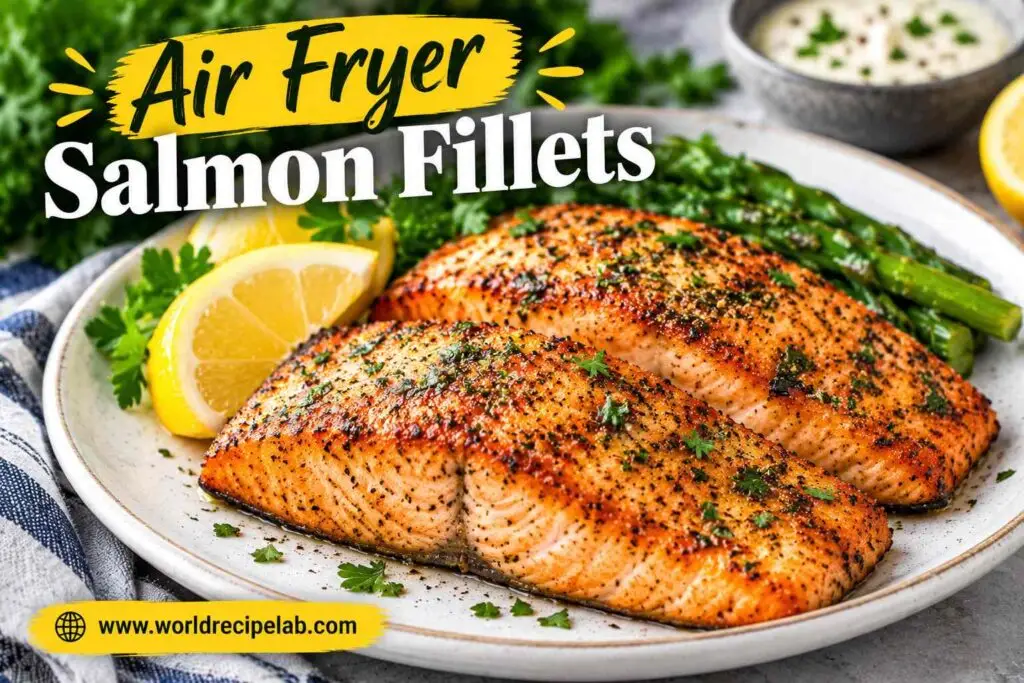
This air fryer salmon recipe uses a simple savory seasoning that lets the fish's natural flavor shine. It's ideal for busy weeknights, quick lunches, or those evenings when you want a satisfying meal without much cleanup.
The real advantage of cooking salmon in an air fryer is the combination of speed and convenience. Hot air circulates around the fillets, cooking them quickly without requiring a pan full of oil. With a few small adjustments, you can make the result juicy rather than dry.
Salmon contains natural fats that help keep it flavorful as it cooks. The air fryer exposes the surface to circulating heat, helping the outside cook while the center remains tender when the cooking time is controlled.
It's particularly useful when you're preparing one or two portions rather than a large family-sized tray. You can season the fish, arrange it in the basket, and prepare your side dishes while it cooks.
However, air fryers vary in basket size, airflow, and actual temperature. A compact model may cook salmon differently from a larger oven-style air fryer, so treat the timing as a starting point rather than a guarantee.
For the most even results, choose salmon portions with a similar thickness. If one fillet is thin at the tail and another is thick in the center, they may finish at different times.
Fresh salmon works well, and frozen fillets are convenient when thawed safely in the refrigerator before cooking. Pat the surface dry before seasoning, especially if the fish has released moisture during thawing.
Skin-on fillets are suitable for this recipe. If you prefer skinless salmon, use the same general method but begin checking for doneness early because the surface and texture may develop differently.
Leave space between the portions in the basket. Crowding restricts airflow and can lead to less even cooking. If you're making several servings, cook in batches rather than stacking the fish.
The biggest mistake is assuming that a longer cooking time will produce a better result. Salmon can dry out quickly once the center is cooked, particularly when the fillets are thin.
Start checking early and use the thickest part of the fish as your guide. For food safety, the USDA recommends cooking fish to an internal temperature of 145°F (63°C). A digital food thermometer is the most reliable way to check.
Another useful detail is the seasoning. A light coating of oil helps distribute the spices and prevents the surface from becoming excessively dry. You don't need to drench the fillets; a small amount is enough.
Finally, avoid opening the basket repeatedly. Check when the expected cooking window is approaching, then make any necessary adjustment based on the fish's thickness and temperature.
One reason this recipe works well for weeknight cooking is how easily it fits into different meals.
For a simple dinner, pair the salmon with steamed broccoli and rice. If you prefer a more substantial plate, serve it with roasted potatoes or mashed potatoes and green beans.
For a lighter option, add a crunchy salad with cucumber, tomatoes, and a lemon dressing. You can also flake the cooked salmon over warm grains and vegetables for lunch, provided you keep that serving idea distinct from a dedicated salmon bowl recipe.
If you're looking for a different meal format, our Salmon Rice Bowl Recipe offers another way to enjoy salmon with rice and toppings.
The recipe card uses a straightforward seasoning blend, but the air fryer works with several flavor profiles.
Keep sugary sauces for the end or serve them separately. Sweet coatings can brown quickly in the air fryer, so they may need a different method and closer monitoring.
For the most predictable texture, thaw the fillets in the refrigerator first. Thawed salmon cooks more evenly, and the seasoning adheres better to a dry surface.
If you need to cook salmon directly from frozen, use a method specifically suited to frozen fish and expect a longer cooking time. Check the thickest portion carefully with a food thermometer rather than relying on the usual timing for thawed fillets.
Never thaw fish on the kitchen counter. Keep it refrigerated while thawing and follow safe food-handling practices.
It can be, especially if you prepare the side dishes separately. Cooked salmon is best when freshly made, but leftovers can be refrigerated in a covered container within two hours of cooking and used within three to four days.
Reheat gently until heated through. An air fryer can help restore some surface texture, but prolonged reheating may dry out the center. For lunch, you can also enjoy properly refrigerated leftovers cold, provided they've been stored safely.
If you're preparing meals in advance, consider keeping sauces and dressings separate until serving. That helps maintain the texture of the fish and prevents the rest of the meal from becoming soggy.
Air fryer salmon is useful when you want a straightforward fish dinner without preheating a large oven or washing several pans. Even-sized fillets, a light coating of oil, enough room for airflow, and careful temperature checking make the process more reliable.
Use the recipe card below for the ingredient quantities and step-by-step method, then choose sides and seasonings that fit the rest of your meal.
Quick air fryer salmon fillets seasoned with garlic, paprika, and black pepper. The fish cooks quickly with tender, flaky flesh and lightly browned edges.
Recipe Notes
Air fryer models vary, so cooking times are estimates.
Avoid overcrowding the basket; cook in batches when necessary.
A small amount of oil helps distribute seasoning and supports browning.
Refrigerate leftovers within two hours and use within 3–4 days.
If cooking from frozen, follow a suitable frozen-fish method and verify the internal temperature rather than using the timing above.
Allergen note: Contains fish. Check seasoning labels for possible additional allergens.