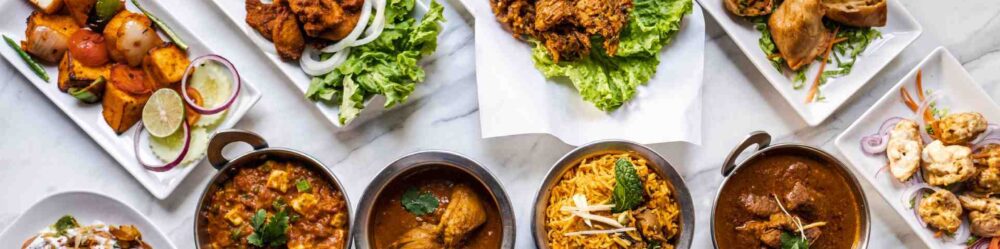

Chicken Korma Recipe – Creamy Mughlai Curry with Yogurt & Cashews

A creamy chicken korma made with tender chicken, browned onions, yogurt, cashews, and aromatic spices. This home-style Mughlai curry has a rich gravy without relying on a tomato-based sauce.
Chicken korma is one of those curries where I pay more attention to the cooking process than the number of spices in the pan. The gravy should be smooth and rich, but it shouldn’t taste like I have thrown every spice in the cupboard into it.
What I look for is a gentle combination of browned onion, yogurt, nuts, and whole spices. The onions bring sweetness and depth, yogurt gives the curry a slight tang, and cashews help create that thick, creamy texture. Cardamom, cinnamon, cloves, and other aromatics sit in the background rather than taking over.
I also prefer using bone-in chicken or boneless chicken thighs for korma. Both stay more forgiving during a slow simmer than chicken breast, especially when the gravy needs enough time to develop its flavor.

Exquisite Chicken Korma
Ingredients
Equipment
Method
- In a bowl, combine ½ cup yogurt, 1 tsp ginger-garlic paste, juice of ½ lemon, salt, and a pinch of turmeric.
- Mix well and coat the chicken evenly.
- Let it sit for 30 minutes or overnight in the fridge.
- Don’t marinate too long in lemon juice—it can over-tenderize and break the chicken texture.
- Heat oil or ghee in a heavy pan.
- Add bay leaf, cardamoms, cloves, and cinnamon and let them sizzle.
- Add sliced onions and cook until deep golden brown.
- Don’t rush this step. Onions must caramelize—not just soften.
- Stir in ginger-garlic paste and sauté for 1–2 minutes.
- Add the nut paste (cashew or almond) and stir for another minute.
- Add char magaz paste here for added richness, if using.
- Add chicken pieces, marinated or plain.
- Sauté for 5–6 minutes until they get a light sear.
- The meat will begin to tighten slightly, which helps lock in flavor.
- Mix in turmeric, coriander powder, salt, and sugar.
- Reduce heat to low.
- Add whisked yogurt slowly, stirring constantly to prevent curdling.
- Cook until oil starts separating from the masala.
- Always lower the flame before adding yogurt.
- Pour ½ to 1 cup warm water depending on how thick or runny you want the gravy.
- Cover and cook on low heat for 20–25 minutes until the chicken is fully cooked.
- Stir occasionally to prevent sticking.
- Once the curry thickens, add cream, mace powder, and kewra water.
- Cook uncovered for 3–4 more minutes.
- Taste and adjust salt, sweetness, or heat.
- Korma is all about balance—spice, sweetness, creaminess, and aroma.
- Top with chopped coriander leaves or slivered almonds.
- Serve hot with naan, paratha, or jeera rice.
- Drizzle a little cream on top just before serving if desired.
What makes a good chicken korma?
For me, the biggest test is the gravy.
It should cling lightly to the chicken rather than look watery or oily. You should be able to taste the browned onions and nuts, with the yogurt adding just enough tang to stop the curry from becoming too rich. The spices should make the gravy fragrant, not aggressively hot.
There is also an important difference between creamy and heavy. A good korma can feel luxurious without becoming greasy. That is why I don’t treat cream as the main ingredient. Yogurt, nuts, and properly cooked onions already give the curry plenty of body.
My approach to the korma base
The onions deserve patience. If they are only softened, the finished curry can taste flat. If they are pushed too far and burned, that bitterness is difficult to hide once the gravy is finished.
I aim for a deep golden brown and watch the pan closely near the end because onions can go from properly browned to burnt surprisingly quickly.
Yogurt is another point where I slow down. I always lower the heat before adding it and make sure it is well whisked. Adding cold or poorly mixed yogurt to a very hot pan is one of the easiest ways to end up with a split-looking gravy.
Once the chicken is simmering in the masala, I don’t keep stirring it unnecessarily. I want the meat to cook gently while the sauce thickens around it.
Is chicken korma very spicy?
Usually, no. Traditional korma-style cooking is more about aromatic warmth and richness than aggressive heat.
If you prefer a hotter curry, you can increase the chili, but I would do that gradually. Too much chili can hide the nutty, mildly tangy character that makes korma different from a standard spicy chicken curry.
The recipe card gives you the exact quantities and cooking method. The sections after it focus on the details that can make the difference between an ordinary creamy chicken curry and a well-balanced korma.
What Makes This Chicken Korma Different
Why the gravy tastes rich without being overly heavy
The richness in this chicken korma comes from several small things working together rather than from cream alone.
The browned onions provide sweetness and a deeper savory base. Cashews give the gravy thickness and a slightly nutty taste, while yogurt keeps that richness from becoming flat. The whole spices add warmth in the background, so the finished curry smells fragrant when you lift the lid but still tastes balanced.
That balance is what I look for in korma. If the nuts dominate, it starts tasting more like a nut sauce. If the yogurt is too sharp, the curry loses its mellow character. And if the spices are too strong, the delicate flavor of the gravy disappears.
Choosing chicken for korma
I usually reach for bone-in chicken pieces or boneless chicken thighs.
Bone-in chicken takes well to gentle simmering and gives the gravy a fuller savory flavor. Boneless thighs are more convenient if I’m serving the curry to guests or making it on a busy evening because there are no bones to work around.
Chicken breast can work, but I wouldn’t treat it exactly the same way. It has less room for overcooking, so keeping the simmer gentle and avoiding unnecessary extra cooking time matters more.
The onion color matters more than you might think
This is one place where I don’t recommend rushing.
The onions need to develop a proper golden-brown color, but there is a fine line between browned and burnt. I usually reduce the heat if they are coloring too quickly and keep them moving toward an even color.
Burnt onion has a bitter taste that doesn’t disappear when you add yogurt, cashews, or cream later. If the onions are only pale and soft, the korma can still be edible, but the gravy won’t have the same depth.
How I keep yogurt from splitting
I don’t add yogurt while the pan is fiercely hot.
Once the heat is lowered, I add the whisked yogurt gradually and keep stirring as it blends into the masala. This gives it a much better chance of becoming part of the gravy instead of separating into little curds.
Using plain, unsweetened yogurt is important too. Very watery yogurt can loosen the gravy more than expected, while thick yogurt gives you better control over the final consistency.
Cashews, almonds, or no nuts?
Cashews are my first choice when I want a particularly smooth korma. They blend easily and give the gravy a naturally creamy texture.
Almonds can be used instead, although they bring a slightly different flavor and texture. Melon seeds are another option in some korma-style preparations.
If you have a nut allergy, don’t simply assume another nut is a safe replacement. A nut-free version needs a different approach to achieve the same body.
Don’t overdo the finishing aromatics
Kewra water and mace can make a korma smell wonderful, but I treat both as accents.
Too much kewra can make the entire curry smell strongly floral. Too much mace can make the spice profile taste medicinal rather than warm. I prefer adding a small amount and tasting the finished gravy before deciding whether it needs anything more.
That restraint is important with korma. The aroma should invite you in; it shouldn’t announce itself from across the room.
Common Chicken Korma Problems
Why did my yogurt split?
The most common reason is excessive heat when the yogurt goes into the pan. I avoid adding it to a fiercely hot masala. Lowering the heat, whisking the yogurt until smooth, and incorporating it gradually gives a much smoother result.
A slightly separated sauce is still edible, but it won’t have the creamy appearance we want from a korma.
Why does my korma taste bitter?
I would check the onions first. They should be deeply golden, not dark or charred. Burnt onions can leave a bitterness throughout the entire gravy that is difficult to correct later.
Whole spices can also become bitter if they are fried too aggressively, so I keep the initial tempering brief.
Why is my korma too thick?
Don’t immediately add a large amount of water. Add a small splash of warm water and stir it through the gravy. Give it a minute or two over gentle heat, then check the consistency again.
This is much easier than trying to thicken an overly diluted korma afterward.
Why does my korma taste too sweet or nutty?
The cashews and browned onions naturally add sweetness, so balance matters. If the nut paste is increased substantially, the curry can lose the savory character that makes korma work.
I prefer adjusting the seasoning gradually rather than trying to correct the gravy with lots of extra spices.
Chicken korma recipe step by step explanation via image


Chicken Korma Variations
Boneless Chicken Korma
Boneless chicken thighs are my practical choice when I want an easier meal. They cook relatively quickly and are less likely to become dry than breast meat during a gentle simmer.
White Chicken Korma
For a paler korma, turmeric can be reduced or omitted. The yogurt, nuts, onions, and whole spices then become more prominent in both the appearance and flavor.
Rich Mughlai-Style Korma
For a more celebratory version, ghee, cashews or almonds, browned onions, mace, and a restrained amount of kewra can create a noticeably richer gravy.
I would still keep the finishing aromatics controlled. More ingredients don’t automatically make a better korma.
Coconut Korma
Coconut milk can be used to create a softer, slightly sweeter variation. It changes the character of the dish, so I think of this as a variation rather than a replacement for the traditional yogurt-and-nut profile.
What to Serve With Chicken Korma
I usually serve korma with something fairly simple because the gravy already carries plenty of flavor.
Naan or butter naan is excellent when I want to scoop up the thick sauce.
Jeera rice works particularly well when I want rice with a little aroma without competing with the korma.
Plain basmati rice is the simplest everyday option.
For a special meal, laccha paratha or saffron rice makes the dish feel more substantial.
A fresh cucumber salad or lightly seasoned raita is useful on the side too. The cool, fresh texture gives some contrast to the richness of the curry.
How to Store Chicken Korma
I let the curry cool before transferring it to an airtight container.
In the refrigerator, I use leftovers within 3 days. If I freeze the korma, I prefer individual portions and use them within about 1 month for the best quality.
The yogurt- and cream-based gravy can change texture after freezing, so I thaw it in the refrigerator when possible and reheat it gently. If the sauce has become too thick, a small splash of water usually brings it back together.
I avoid bringing the curry to a vigorous boil during reheating because the dairy-based gravy can separate.
What Is Chicken Korma?
Chicken korma is a rich, mildly spiced curry associated with the Mughlai culinary tradition of the Indian subcontinent. The style commonly combines meat with ingredients such as yogurt, nuts, onions, and aromatic spices.
There isn’t one single korma recipe used everywhere. Household and regional versions can differ considerably. Some are pale and delicate, while others have deeper-colored onions, additional spices, cream, or coconut.
What ties them together is the idea of gently cooking meat in a rich, aromatic sauce where the spices support the main ingredient rather than overwhelm it.
Chicken Korma vs. Butter Chicken
These two curries are often grouped together because both can be creamy, but their bases are quite different.
Chicken korma traditionally gets much of its character from browned onions, yogurt, nuts, and aromatic whole spices.
Butter chicken is generally associated with a tomato-based gravy finished with butter and cream.
So if you’re looking for a mildly spiced, nutty and aromatic curry, korma is the better fit. If you want a smoother tomato-forward sauce with buttery richness, butter chicken takes you in a different direction.
Frequently Asked Questions
Is chicken korma spicy?
Usually, chicken korma is mild rather than fiery. Its character comes more from aromatic spices, browned onions, yogurt, and nuts than from a large amount of chili.
Can I make chicken korma without cream?
Yes. Cream isn’t essential to the recipe. Yogurt, cashews, and properly cooked onions already provide considerable richness and body.
Can I make chicken korma without cashews?
Yes. Almonds or melon seeds can be used as alternatives, although the flavor and texture will change slightly.
What chicken is best for korma?
I prefer bone-in chicken or boneless chicken thighs. Bone-in pieces bring deeper flavor, while thighs are convenient and remain relatively tender during simmering.
Why does yogurt curdle in korma?
Usually because it was exposed to very high heat. Lower the heat before adding whisked yogurt and incorporate it gradually while stirring.
Can chicken korma be made ahead?
Yes. The curry can be prepared ahead and reheated gently. I find that allowing the gravy to rest also gives the spices time to settle into the sauce.
Can chicken korma be frozen?
Yes, although the dairy-based gravy may not have exactly the same texture after freezing. Store it in an airtight container, thaw it gradually, and reheat over gentle heat.
Final Thoughts
Chicken korma is not a curry I would rush.
The recipe itself isn’t complicated, but the small decisions matter: getting the onions properly browned without burning them, keeping the yogurt from splitting, using enough nut paste to give the gravy body without making it heavy, and treating strong aromatics such as mace and kewra as accents.
That’s also why I don’t think a good korma needs to be loaded with spices. The goal is a smooth, mildly spiced gravy where you can still recognize the chicken, yogurt, nuts, and aromatic spices.
For a first attempt, I’d use boneless chicken thighs if convenience matters, or bone-in chicken if you want a deeper, more traditional home-style curry.
Serve it with naan, paratha, or basmati rice while the gravy is warm, and keep the sides simple. The korma has enough going on by itself.