
🥘 Kashmiri Mutton Yakhni Recipe – No Onion, No Garlic, Just Pure Flavor

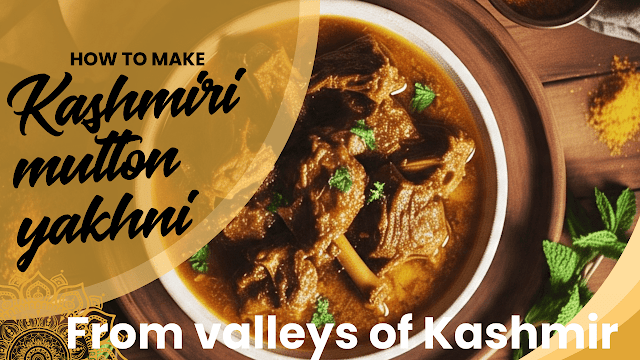
Authentic Kashmiri mutton yakhni served in a bowl with steamed basmati rice
Want a dish that’s light, fragrant, and still incredibly satisfying? Meet Kashmiri Mutton Yakhni – a slow-cooked yogurt-based curry straight from the snow-kissed valleys of Kashmir.
If you enjoy elegant Mughlai flavors, this royal Awadhi Mutton Korma deserves a place on your must-cook list.
🧡 What Is Mutton Yakhni?
Mutton Yakhni is a traditional Kashmiri curry made without onions or garlic. It’s not spicy, but it’s deeply flavorful. The base is made with whisked yogurt, whole spices, and tender pieces of mutton. It’s light on the stomach, yet rich enough for a festive table.
Unlike most Indian curries, Yakhni skips the heavy masala and oil. Instead, it focuses on subtle spices like fennel and dry ginger. That’s what makes it unique — simple, clean, yet luxurious.
⏱️ Prep Time & Cooking Time
- Prep Time: 10 minutes
- Cook Time: 45–60 minutes
- Total Time: Around 1 hour 10 minutes
- Servings: 4
✅ Why You’ll Love This Recipe
- No onion, no garlic – great for fasting or light meals
- Yogurt-based = probiotic and gut-friendly
- Simple spices, yet full of flavor
- Beginner-friendly – no complicated steps
- Perfect for lunch, festivals, or when you want something comforting

Kashmiri Mutton Yakhni Recipe – No Onion, No Garlic, Just Pure Flavor
Ingredients
Equipment
Method
- Step 1: Cook the Mutton
- Add mutton, salt, and 2 cups of water to a pressure cooker or large pot. Cook for 4–5 whistles or until the meat is about 80% done. Allow the pressure to release naturally and reserve the stock for later.
- Step 2: Temper the Whole Spices
- Heat mustard oil in a heavy-bottom pan until it reaches smoking point. Lower the heat and add green cardamoms, cloves, black cardamom, cinnamon stick, and bay leaves. Let the spices release their aroma.
- Step 3: Add the Yogurt
- Reduce the heat completely. Slowly add the whisked yogurt while stirring continuously to prevent curdling. Cook gently until the mixture becomes smooth and slightly warm.
- Step 4: Add the Signature Spices
- Mix in fennel powder and dry ginger powder. Stir well and cook for a few minutes to allow the flavors to blend.
- Transfer the cooked mutton along with the reserved stock into the pan. Stir gently and cover with a lid.
- Cook on low heat for 20–25 minutes until the gravy thickens slightly and the flavors fully develop. A thin layer of oil will begin to float on top.
- Pour in the saffron-infused milk and stir gently. Turn off the heat and let the curry rest for 5 minutes before serving.
- Serve hot with steamed basmati rice, Kashmiri pulao, or naan.
Notes
🥄 Ingredient Swaps & Notes
- No mustard oil? Use ghee or neutral oil, but mustard oil gives the best aroma.
- No dry ginger powder? Try a small piece of fresh ginger for a similar kick.
- No saffron? You can skip it. It’s mostly for fragrance and color.
- Want to use chicken instead? Works well! Just reduce the cooking time to 20–25 minutes.
Some dishes are worth the wait, and slow-cooked Nalli Nihari recipe is one of those unforgettable culinary experiences.
🍳 How to Make Kashmiri Mutton Yakhni (Step-by-Step)
🔹 Step 1: Boil the Mutton
In a pressure cooker or large pot:
- Add the mutton, 2 cups water, and salt.
- Pressure cook for 4–5 whistles or until 80% done.
- Let the pressure release naturally.
- Save the stock. Don’t throw it — we’ll use it in the curry.
📝 Tip: If using a pot, cook on medium heat for 40–45 minutes or until soft.
🔹 Step 2: Temper the Whole Spices
- In a heavy-bottom pan, heat mustard oil until it smokes. Turn heat to low.
- Add cardamoms, cloves, cinnamon, bay leaves, and black cardamom.
- Let them sizzle and release aroma.
👃 Your kitchen will start smelling amazing at this point!
🔹 Step 3: Add Yogurt (Slowly!)
- Lower the flame completely.
- Add whisked yogurt slowly while stirring. This helps avoid curdling.
- Stir gently until the mixture is smooth and warm.
✅ Always use room-temperature, full-fat yogurt. Cold yogurt will split.
🔹 Step 4: Spice It Up
- Add fennel powder and dry ginger powder.
- Mix well and simmer for a few minutes to let the spices blend in.
🔹 Step 5: Add Mutton + Stock
- Now add the cooked mutton pieces along with the saved stock.
- Stir gently.
- Cover and simmer on low heat for 20–25 minutes, until oil floats on top and the gravy thickens slightly.
🔹 Step 6: Optional Royal Touch
- Add saffron milk at the end.
- Stir gently and switch off the heat.
🍽️ Serving Suggestions
Mutton Yakhni tastes best with:
- Steamed basmati rice
- Light Kashmiri pulao
- Cucumber raita or simple curd on the side
- Papad or lemon wedges for crunch
No need for extra chutneys or sides — the curry is flavorful on its own.
Authentic Butter Chicken (Murgh Makhani): The Ultimate Recipe Guide
⭐ Pro Tips to Get That Restaurant-Style Yakhni Taste
Achieving authentic restaurant-style Yakhni at home requires more than just ingredients—it’s about technique, timing, and balance. Here are some expert tips:
1. Use Fresh, High-Fat Curd (Yogurt)
- Always use full-fat, thick, and preferably homemade or hung curd. Thin or sour yogurt will split during cooking and ruin the texture.
- Whisk the curd thoroughly before adding to the curry and temper it slowly to prevent curdling.
2. Mutton Quality is Key
- Opt for bone-in cuts (like ribs or shoulder) for maximum flavor.
- Marinate the mutton in a little salt and crushed fennel before boiling—it enhances the taste subtly.
3. Low and Slow Simmer
- Cook on low flame after adding yogurt. This helps the gravy thicken naturally and lets the flavor of the spices fully absorb into the meat.
4. Use Traditional Whole Spices
- Authentic Yakhni uses minimal spices: fennel, dry ginger, cinnamon, cloves, cardamom, and bay leaf.
- Avoid onions, garlic, turmeric, or tomatoes—Yakhni is all about gentle, aromatic flavors.
5. Strain the Broth (Optional but Luxurious)
- Some Kashmiri chefs strain the mutton stock before adding yogurt for a clean, refined gravy. It’s a secret behind that smooth restaurant texture.
6. Saffron Infusion
- Finish with saffron strands soaked in warm milk. This imparts a royal aroma and signature pale golden color.
Looking for another comforting traditional dish? This nourishing Mutton Paya Soup has been loved for generations.
🧊 Storage and Reheating
✅ How to Store Yakhni
- Let the curry cool to room temperature before storing.
- Transfer to an airtight glass or steel container (avoid plastic).
- Refrigerate for up to 3 days. For longer, freeze in small batches.
♨️ How to Reheat Without Curdling
- Thaw completely if frozen.
- Reheat on low heat, stirring frequently.
- Add a splash of warm water or fresh whisked curd to adjust consistency if needed.
- Never microwave directly—curd may split and lose texture.
Craving a milder yet equally comforting mutton dish? Kerala Mutton Stew recipe offers delicate flavors you’ll fall in love with.
💡 Pro Tip: Reheating on a double boiler or by placing the curry vessel inside a larger pot of boiling water preserves flavor and texture best.
❓ Detailed FAQs
Q. Why did my curd curdle while cooking Yakhni?
A: Most common reason is adding cold curd directly to hot curry. Always whisk curd and temper it with a few spoons of hot stock before adding.
Q. Can I make Yakhni without mutton?
A: Traditionally, Yakhni is made with mutton or chicken. You can try with paneer or mushrooms for a vegetarian variation, but the essence lies in the meat-infused broth.
Q. Is Kashmiri Yakhni spicy?
A: No. It’s mild, aromatic, and creamy, focusing more on subtle flavors of yogurt and whole spices, unlike spicy Indian curries.
Q. What can I serve with Yakhni?
A: The best pairing is steamed basmati rice or saffron rice. You can also serve with naan or Kashmiri roti for variation.
Q. Can I prepare Yakhni in a pressure cooker?
A: Yes, pressure cooking can tenderize mutton faster, but the yogurt should still be added after releasing pressure and cooked slowly to avoid curdling.
🏺 The Cultural History of Yakhni in Kashmiri Wazwan Cuisine
Yakhni is not just a dish—it’s a legacy deeply embedded in the culinary heritage of Kashmir’s royal Wazwan.
📜 Origins of Yakhni
- The word “Yakhni” comes from Persian, meaning meat broth.
- It was introduced to Kashmir by Mughal influences, then adapted by local Pandit cooks (Wazas) to fit the delicate Kashmiri palate.
🍲 Role in Wazwan
- Wazwan is the multi-course Kashmiri royal feast, where Yakhni is a prized and elegant course, often served mid-meal as a palate cleanser.
- It’s one of the few dishes in Wazwan without onions, garlic, or chili, symbolizing purity and refinement.
🌸 Signature Flavor Identity
- Unlike fiery curries, Yakhni is floral, mild, and calming, with fennel and dry ginger at its core—representing the soul of Kashmiri cooking.
- The absence of bold masalas showcases the balance between technique and tradition.
🕌 Cultural Symbolism
- Often prepared during weddings, religious ceremonies, and celebrations, Yakhni is a symbol of hospitality, elegance, and Kashmiri pride.