

Mutton seekh kebabs are flavourful Indian kebabs made from seasoned minced mutton shaped around skewers and cooked until browned and tender. They are commonly served with mint chutney, sliced onions, lemon wedges, and flatbread.
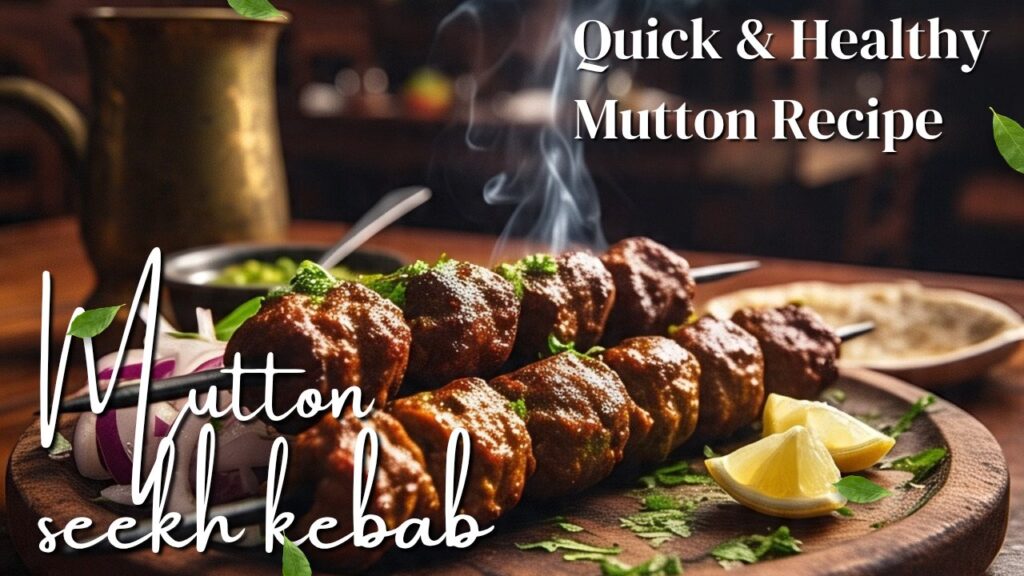
You don't need a traditional tandoor to make them at home. A heavy frying pan or tawa works well, while an oven, grill, or air fryer offers additional cooking options.
The keys to good seekh kebabs are well-seasoned mince, a mixture that holds together, gentle shaping, and cooking until the centre is fully done without drying out the meat.
Use the exact ingredient quantities in the World Recipe Lab WP Recipe Maker card for this recipe. The article text supplied here does not show the card's ingredient list, so I have not invented measurements.
Common ingredients in mutton seekh kebab preparations include:
Recipe consistency note: Only list ingredients above that actually appear in your WPRM card, and use the card's exact quantities. The body and recipe card must agree.
Place the minced mutton in a large mixing bowl. Add the seasonings, herbs, and any binder specified in your recipe card.
Mix thoroughly until the ingredients are evenly distributed and the mixture becomes cohesive. Avoid adding excess liquid, which can make the kebabs difficult to shape.
If using onion, chop it very finely and remove excess moisture where necessary.
Cover the bowl and refrigerate the mixture for approximately 30 minutes.
Chilling makes the mixture easier to handle and shape. It can also help the kebabs hold together during cooking.
Keep raw minced meat refrigerated until you are ready to cook.
Lightly grease your hands. Divide the mixture into equal portions and shape each portion into an elongated kebab.
If using metal skewers, press the mixture firmly around each skewer so it holds its shape. If you don't have skewers, form short, slightly flattened kebabs that can be turned easily in a pan.
Keep the thickness reasonably consistent so the kebabs cook evenly.
If the mixture falls apart, check whether it is too wet or insufficiently mixed. Add a binder only if it is part of your intended recipe and adjust gradually.
Heat a heavy tawa or frying pan over medium heat. Add enough oil or ghee to coat the cooking surface lightly.
Place the kebabs in the pan without overcrowding them. Cook, turning carefully every few minutes so that they brown on all sides.
The original cooking estimate is 15–20 minutes, but actual time depends on the thickness of the kebabs, the pan, and the heat.
Lower the heat if the exterior browns too quickly. The centre must cook completely before the kebabs are served.
Food safety: Minced mutton should reach an internal temperature of 71°C (160°F). Check the centre of a thick kebab with a food thermometer rather than judging doneness by colour alone.
Transfer the cooked kebabs to a clean plate and let them rest briefly.
Serve hot with mint chutney, sliced onions, lemon wedges, and your choice of naan, roomali roti, or paratha.
An air fryer is a convenient alternative to a tawa.
Cooking time varies with kebab thickness and the appliance. Do not assume the kebabs are ready simply because the outside looks browned.
Seekh kebabs can be cooked on a grill for a more pronounced grilled flavour. If you want to use the traditional dhungar technique, exercise caution.
A hot charcoal ember can cause burns, start a fire, or release carbon monoxide. Never use charcoal indoors or in an enclosed or poorly ventilated space. If using a smoking technique, follow a reliable food-safe method and keep the hot coal securely contained away from flammable materials. Do not leave it unattended.
For a simpler alternative, cook the kebabs on a hot grill and allow the surface to brown properly.
Mutton: Minced lamb can be used instead. Its flavour and fat content may differ, so adjust the cooking time as necessary.
Besan: If your recipe uses besan as a binder, follow the card's specified quantity. Breadcrumbs may work in some preparations, but they change the texture and should not be substituted in equal amounts without checking the mixture.
Green chillies: Reduce or omit them for a milder kebab.
Garam masala: A suitable homemade or store-bought blend can be used. Different blends vary in strength.
Oil or ghee: Either can be used for cooking, depending on your preference.
Egg or potato: These can act as binders in some kebab recipes, but they are not automatically interchangeable. Use the binder specified in your recipe or test any substitution before preparing a large batch.
Extremely lean mince can produce dry kebabs. A moderate amount of fat generally helps the texture, although the exact amount depends on the meat and recipe.
A properly mixed kebab mixture is less likely to crumble when shaped or turned.
Refrigerate the mixture before shaping and return it to the refrigerator if you need to pause during preparation.
Very thick kebabs can brown outside before the centre cooks through. Make them a consistent size.
Cook in batches if necessary. Overcrowding can lower the pan temperature and cause the kebabs to steam rather than brown.
Allow the surface to firm before turning. Use a spatula or tongs to avoid breaking the kebabs.
Minced meat requires thorough cooking. Use a thermometer to confirm an internal temperature of 71°C (160°F).
The kebabs fall apart. The mixture may be too wet, poorly mixed, or insufficiently bound. Chill it and check the balance of ingredients.
The kebabs are dry. Overcooking, very lean mince, or kebabs that are too thin can contribute to dryness.
The outside burns before the centre cooks. Lower the heat and make the kebabs more uniform in thickness.
The kebabs stick to the pan. Ensure the pan is hot, lightly oiled, and the kebabs have had time to develop a browned surface before turning.
The mixture is difficult to shape. Chill it, grease your hands lightly, and check whether excess moisture is making it too loose.
You can prepare the mixture in advance, but keep it covered in the refrigerator and cook it within 1–2 days for best quality.
To freeze uncooked kebabs:
For best quality, use within 2–3 months. Thaw in the refrigerator before cooking for more predictable results. If cooking from frozen, use an appropriate method and allow extra time; always verify that the centre reaches 71°C (160°F).
Store cooked leftovers in a covered container in the refrigerator within 2 hours of cooking and use within 3–4 days. Reheat to 74°C (165°F).
Mutton seekh kebabs work well as a starter or as part of a larger meal.
For a quick meal, wrap the kebabs in flatbread with sliced onions and mint chutney.
Yes. A tawa or heavy frying pan works well. You can also use an oven, grill, or air fryer, adjusting the cooking time for the method and kebab thickness.
The mixture may be too wet, not cohesive enough, or difficult to shape. Chill it before cooking and ensure the kebabs are firmly formed. Avoid turning them before the surface has set.
Yes. Lamb mince can be used, although its fat content and flavour may differ. Cook until the centre reaches 71°C (160°F).
Yes. Shape the kebabs and refrigerate them until you are ready to cook. Keep raw minced meat cold and cook it within a safe storage period.
Yes. Freeze shaped raw kebabs on a tray, then transfer them to a freezer-safe container. Thaw in the refrigerator before cooking, or cook from frozen using an appropriate method and verify the internal temperature.
Avoid overcooking, use mince with a suitable fat content, mix the ingredients thoroughly, and cook over controlled heat. Always check the centre for safe doneness.
If you enjoy kebabs and other Indian mutton dishes, try these recipes from World Recipe Lab:
Homemade mutton seekh kebabs don't require a traditional tandoor. With well-seasoned minced meat, careful shaping, and controlled heat, you can make them using a tawa, grill, oven, or air fryer.
Serve them hot with mint chutney, onions, lemon, and flatbread for a satisfying starter or meal. Most importantly, cook the minced meat thoroughly and check the centre before serving.
Meat choice: Ground lamb or goat can be used. The fat content affects how moist the kebabs remain.
Avoid excess moisture: Squeeze the chopped onion well before adding it. A wet mixture can be difficult to shape.
Prevent sticking: Lightly oil your hands and cooking surface. Turn the kebabs carefully after they have begun to brown.
Make ahead: Shape the kebabs and refrigerate them until ready to cook. Keep raw minced meat refrigerated and separate from ready-to-eat foods.
Storage: Refrigerate cooked kebabs in an airtight container within 2 hours and use within 3–4 days. Reheat to 74°C (165°F).
Freezing: Freeze uncooked, shaped kebabs in a single layer before transferring them to a sealed freezer-safe container. Thaw in the refrigerator before cooking.
Serving suggestion: Pair with mint chutney, naan, flatbread or a fresh salad.