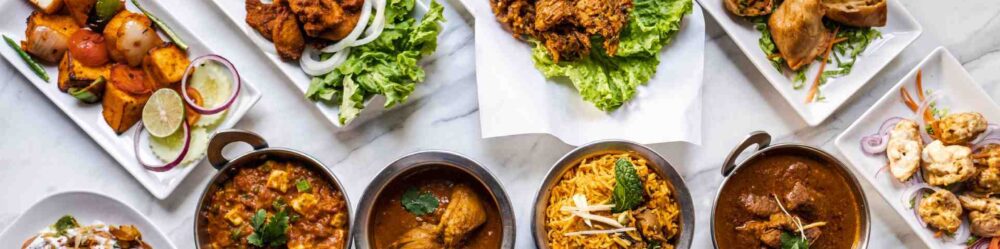

Vegan tikka masala is a plant-based take on the creamy, tomato-based curry commonly associated with tikka masala. Instead of chicken or paneer, the dish can be made with ingredients such as tofu, chickpeas, cauliflower, or mushrooms, while the sauce uses plant-based ingredients to create a rich and flavorful curry.
For anyone looking for an easy vegan Indian-inspired dinner, tikka masala is especially versatile. You can adjust the protein, spice level, and creaminess without changing the basic character of the dish.
What Is Vegan Tikka Masala?
Vegan tikka masala combines a spiced tomato sauce with a plant-based main ingredient.
Traditional versions often contain chicken, cream, butter, or yogurt. A vegan version replaces those animal-derived ingredients while keeping the familiar combination of tomato, aromatic spices, and a creamy curry sauce.
Depending on the ingredients used, vegan tikka masala can be:
- Made with tofu for a higher-protein option
- Made with chickpeas for a hearty pantry-friendly meal
- Made with cauliflower or mushrooms for a vegetable-focused version
- Made with coconut milk or another plant-based creamy ingredient
- Adjusted from mild to hot according to preference
The result is a flexible curry that works well for weeknight dinners as well as meal preparation.
Is Tikka Masala Vegan?
Tikka masala is not automatically vegan.
Many traditional or restaurant versions can contain:
- Butter or ghee
- Cream
- Yogurt
- Milk
- Other dairy-based ingredients
A vegan tikka masala needs plant-based replacements and should be checked carefully when ordering at a restaurant, particularly because recipes and sauces vary.
If you are following a strict vegan diet, check the ingredients in packaged products and ask restaurants whether the curry contains dairy or ghee.
What Can You Use Instead of Chicken or Paneer?
There is no single required substitute. The best choice depends on the texture and type of meal you want.
Tofu
Tofu is one of the most practical choices because it absorbs the flavors of the sauce and provides a substantial texture.
Extra-firm tofu is generally easier to use than softer varieties when you want pieces that hold their shape in the curry.
Chickpeas
Chickpeas make vegan tikka masala particularly convenient because canned chickpeas can be used as a pantry staple.
They produce a hearty curry and work especially well when you want a simple meat-free meal without relying on specialty ingredients.
Cauliflower
Cauliflower gives the dish a vegetable-forward character. It works well when you want roasted or tender vegetable pieces alongside the tomato sauce.
Mushrooms
Mushrooms provide a different texture and add depth to the curry. They are useful when you want a lighter alternative to tofu or chickpeas.
Vegan Tikka Masala With Tofu
Tofu is a natural fit for tikka masala because its relatively neutral flavor allows the curry sauce and spices to remain prominent.
For better texture, firm or extra-firm tofu is generally preferable. It can be used in cubes or larger pieces, depending on the style of dish you want.
One advantage of tofu is its versatility: it can also be used in other plant-based Indian-inspired dishes, making it a useful ingredient to keep available.
Vegan Tikka Masala With Chickpeas
Chickpea tikka masala is a good option when convenience matters.
Canned chickpeas require little preparation and provide a filling base for the tomato sauce. They also make the dish different from tofu-based versions rather than simply acting as a direct meat substitute.
For meal preparation, chickpeas can be particularly convenient because the curry stores and reheats well when handled properly.
Coconut Milk or Cashew Cream?
The creamy element of vegan tikka masala can be created in several ways.
Coconut Milk
Coconut milk gives the curry a noticeably creamy texture and a mild coconut character. It is convenient and widely available, but its flavor may be more prominent than some people want.
Cashew-Based Creaminess
Cashews can provide richness with a more neutral flavor profile. They are useful when you want a creamy curry without making coconut the dominant flavor.
However, cashews are tree nuts, so they are not suitable for people with relevant nut allergies.
Other Plant-Based Options
Depending on the recipe, unsweetened plant-based yogurt or another dairy-free creamy ingredient can also be used.
The important point is to choose an unsweetened product whose flavor works with a savory curry.
What Gives Vegan Tikka Masala Its Flavor?
The character of tikka masala comes from the combination of aromatics, spices, tomato, and a creamy element rather than from one ingredient alone.
Common flavor-building ingredients include:
- Onion
- Garlic
- Ginger
- Tomato
- Cumin
- Coriander
- Turmeric
- Garam masala
- Chili
- Plant-based creaminess
The exact spice blend varies between recipes, households, and restaurants. There is no single universal formula for tikka masala.
This also means the curry can be adjusted for different preferences without losing its basic identity.
How Spicy Is Vegan Tikka Masala?
Vegan tikka masala can range from mild to quite spicy.
The heat usually comes from fresh or dried chilies and chili powder. Garam masala and other spices contribute aroma and warmth but do not necessarily make the dish extremely hot.
For a milder version, use less chili while keeping the aromatic spices. For more heat, increase the chili component gradually.
This makes tikka masala suitable for both people who prefer gentle curries and those who enjoy substantial heat.
Vegan Tikka Masala vs. Vegan Butter Chicken
These dishes can look similar because both commonly use a tomato-based, creamy sauce, but they are not necessarily the same.
| Feature | Vegan Tikka Masala | Vegan Butter Chicken |
|---|---|---|
| Traditional inspiration | Tikka masala | Butter chicken |
| Typical flavor direction | Tomato-forward and spiced | Rich, buttery, creamy |
| Plant-based protein | Tofu, chickpeas, vegetables, or others | Often plant-based chicken, tofu, or similar alternatives |
| Dairy | Replaced with plant-based ingredients | Butter and cream traditionally replaced |
| Spice profile | Often more pronounced | Often richer and smoother |
Recipes vary considerably, so there can be overlap between the two.
If you want a curry with a more pronounced spiced tomato character, tikka masala is a natural direction. If you are looking for a richer butter-and-cream-style profile, vegan butter chicken is the closer concept.
What to Serve With Vegan Tikka Masala
Vegan tikka masala pairs well with foods that can absorb its sauce.
Good options include:
- Basmati rice
- Jeera rice
- Plain rice
- Vegan naan
- Roti
- Chapati
- Other flatbreads
For a complete meal, you can also serve it with a simple vegetable side or fresh salad.
Rice is particularly useful when you want a straightforward gluten-free accompaniment, although the curry and any packaged ingredients should still be checked for cross-contact or added gluten if that matters to your diet.
Is Vegan Tikka Masala Gluten-Free?
Vegan tikka masala can be gluten-free, but the dish is not automatically gluten-free.
The main curry ingredients are often naturally gluten-free, but packaged sauces, spice blends, plant-based products, and accompaniments can introduce gluten.
If you need a strictly gluten-free meal, check ingredient labels and choose certified gluten-free products where appropriate.
Is Vegan Tikka Masala Healthy?
Whether vegan tikka masala fits your nutritional goals depends on the ingredients and portion size.
A version made with tofu, chickpeas, or vegetables can contribute protein, fiber, or other nutrients. However, creamy ingredients, oil, coconut milk, or cashews can also substantially increase the calorie content.
So rather than treating all vegan tikka masala as automatically healthy, look at the complete ingredient list and preparation method.
Can You Make Vegan Tikka Masala Ahead?
Yes. Tikka masala is well suited to advance preparation because the sauce and plant-based ingredients can be stored together and reheated later.
For the best texture:
- Store the curry in a sealed container.
- Refrigerate it promptly after cooking.
- Reheat until thoroughly hot.
- Keep rice and curry separately when practical.
- Add fresh garnishes or herbs after reheating.
The exact storage time depends on the ingredients and how quickly the food was cooled and refrigerated, so follow standard food-safety practices rather than relying on a fixed number of days for every version.
How to Store Vegan Tikka Masala
Allow the curry to cool appropriately before refrigerating it in a covered container.
For longer storage, vegan tikka masala can generally be frozen, although the texture of some ingredients may change after thawing. Tofu and vegetables can respond differently to freezing, while creamy sauces may require thorough stirring after reheating.
If freezing, portion the curry into practical serving sizes so you only thaw what you need.
What Makes a Good Vegan Tikka Masala?
A successful version depends on balance rather than simply adding more spices.
Look for:
Aromatic base: Onion, garlic, and ginger provide the foundation.
Tomato balance: Tomato supplies acidity and body. Too much can make the sauce sharp, while too little can leave it flat.
Spice balance: Cumin, coriander, garam masala, turmeric, and chili should complement rather than overpower one another.
Creaminess: Coconut milk, cashew-based creaminess, or another plant-based ingredient can soften the acidity and spices.
Protein or vegetables: Tofu, chickpeas, cauliflower, mushrooms, or another main ingredient gives the sauce substance.
Vegan Tikka Masala for Different Dietary Needs
One reason this curry is adaptable is that the main components can be changed without completely changing the dish.
Nut-Free
Choose coconut milk or another nut-free creamy ingredient instead of cashew-based options, and check packaged ingredients carefully.
Soy-Free
Use chickpeas, cauliflower, mushrooms, or another soy-free ingredient instead of tofu.
Gluten-Free
Use gluten-free ingredients and serve the curry with rice or a verified gluten-free accompaniment.
Higher-Protein
Tofu and chickpeas can make the dish more substantial, although the total protein content depends on the quantities and other ingredients used.
Frequently Asked Questions
Can I make vegan tikka masala without tofu?
Yes. Chickpeas, cauliflower, mushrooms, or other vegetables can be used instead of tofu. The choice mainly changes the texture and nutritional profile of the finished curry.
Can vegan tikka masala be made without coconut milk?
Yes. Cashew-based creaminess, unsweetened plant-based yogurt, or another suitable dairy-free ingredient can be used depending on the recipe.
Is vegan tikka masala dairy-free?
A properly prepared vegan tikka masala should be dairy-free because vegan cooking excludes milk, cream, butter, and ghee. However, always check packaged ingredients and restaurant preparations.
What is the easiest plant-based protein for tikka masala?
Tofu and canned chickpeas are both practical choices. Tofu provides a firm, substantial texture, while chickpeas require very little preparation.
More Indian-Inspired Dishes to Explore
If you enjoy creamy and spiced Indian-inspired dishes, World Recipe Lab also covers several paneer-based classics. Explore our Paneer Butter Masala, Shahi Paneer, and Paneer Tikka guide for different approaches to rich, spiced Indian dishes.
For a broader street-food option, you can also explore Pani Puri.
Related Vegan Recipes
For more plant-based cooking inspiration, explore our Vegan Tofu Recipes for versatile tofu dishes, Vegan Protein Recipes for protein-rich meal ideas, Vegan Dinner Recipes for easy weeknight meals, and Vegan Chicken for plant-based chicken alternatives.
Final Thoughts
Vegan tikka masala is more than a simple dairy-free substitution. Its flexible format lets you choose between tofu, chickpeas, cauliflower, mushrooms, and other plant-based ingredients while keeping the familiar combination of tomato, aromatics, spices, and creamy texture.
For a quick plant-based dinner, chickpeas are convenient. For a more substantial protein-focused option, tofu is a practical choice. Coconut milk and cashew-based alternatives offer different ways to create richness.
That flexibility makes vegan tikka masala a useful addition to a global plant-based cooking collection without requiring one fixed version of the dish.