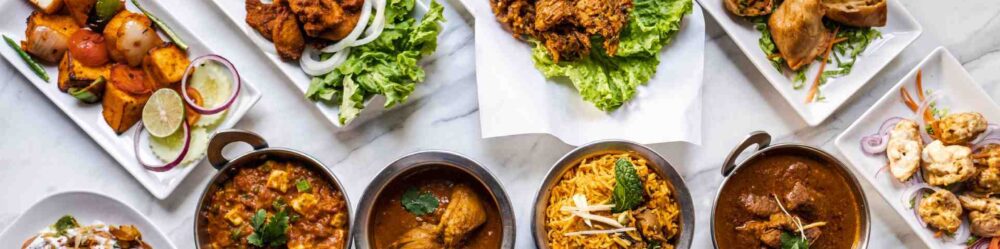

🩺 Diabetes-Friendly Indian Recipes (Low GI Meals That Actually Work)
Managing diabetes doesn’t mean giving up good food. That’s where most people get it wrong.
Across India—and honestly, worldwide—diabetes cases are rising fast. At the same time, there’s a common belief that “diabetic food” is bland, restrictive, and hard to follow. Dry rotis, boiled vegetables, no flavor. That’s the image.
But that’s not how it has to be.
Indian kitchens already have everything needed to create meals that are balanced, satisfying, and supportive for blood sugar control. It’s less about cutting everything out and more about making smarter combinations.
In this guide, you’ll find diabetes-friendly Indian recipes, simple meal ideas, and practical tips you can actually follow in daily life.
Want a complete strategy instead of just recipes? This practical meal plan makes healthy eating much easier to follow.
What is Glycemic Index (In Simple Words)
Let’s keep this simple.
The Glycemic Index (GI) tells you how fast a food raises your blood sugar.
- High GI foods → spike sugar quickly (like white bread, sugar)
- Low GI foods → release sugar slowly (like dal, vegetables, millets)
Why does this matter?
Because steady blood sugar is easier for your body to handle. You feel more stable, less tired, and avoid sudden crashes.
So instead of removing carbs completely, the goal is to choose better carbs and balance them with protein and fiber.
Indian Foods That Are Naturally Low GI
You don’t need fancy ingredients. Many everyday Indian foods already fit well into a low GI approach.
🌾 Grains
- Brown rice
- Oats
- Millets (ragi, jowar, bajra)
👉 These digest slower than white rice and help avoid sharp sugar spikes.
Looking for naturally wholesome ingredients? These gluten-free foods can add more variety to your everyday meals.
🥦 Vegetables
- Spinach, methi, and other leafy greens
- Bitter gourd (karela)
- Bottle gourd (lauki)
- Beans, cabbage, cauliflower
👉 The more vegetables on your plate, the better your meal balance.
🥜 Proteins
- Dal (moong, masoor, chana dal)
- Chickpeas and rajma
- Paneer
- Eggs and chicken
👉 Adding protein to meals helps slow down sugar absorption.
🧃 Extras
- Nuts and seeds
- Curd and buttermilk
- Coconut
👉 Small additions, but they make meals more balanced.
Simple rule:
👉 Never eat carbs alone. Pair them with protein or fat.
Healthy eating doesn’t have to be bland—these low-oil Indian recipes are packed with flavor and perfect for everyday cooking.
Foods to Limit (Not Completely Avoid)
You don’t need to be extreme. Just be mindful.
- White rice (have smaller portions or mix with brown rice)
- Maida items (naan, white bread, bakery products)
- Sugary sweets and packaged juices
- Deep-fried snacks
It’s not about banning these foods. It’s about frequency and portion.
🍽️ Diabetes-Friendly Indian Recipes
Now let’s get into the practical part.
🍳 Breakfast Ideas
Vegetable Oats Upma
A simple upgrade from regular upma.
Why it works:
Oats are low GI and rich in fiber. Vegetables add bulk, which slows digestion.
Besan Chilla with Vegetables
Quick, filling, and easy to make.
Why it works:
Besan (gram flour) has a lower GI than refined flour and provides protein.
Moong Dal Cheela
Light but satisfying.
Why it works:
High protein + easy digestion = stable blood sugar in the morning.
Ragi Porridge
A traditional option making a comeback.
Why it works:
Ragi is a millet with good fiber content, helping control sugar spikes.
🍛 Lunch Ideas
Brown Rice + Dal + Sabzi
Simple and balanced.
Why it works:
Fiber + protein + carbs = slow sugar release.
Bajra Roti + Palak Paneer
A strong combination.
Why it works:
Bajra has a lower GI than wheat, and paneer adds protein.
Quinoa Vegetable Pulao
A slightly modern option.
Why it works:
Quinoa is high in protein and digests slowly.
🍲 Dinner Ideas
Lauki Chana Dal
Light and comforting.
Why it works:
Low-calorie vegetable + protein-rich dal = ideal for dinner.
Grilled Chicken + Stir-Fried Vegetables
Simple and effective.
Why it works:
High protein keeps you full and prevents late-night sugar spikes.
Mixed Vegetable Soup
Best for light dinners.
Why it works:
Low calorie, high fiber, easy on digestion.
🥗 Snacks
Roasted Chana
Crunchy and filling.
Why it works:
High protein and fiber, no sugar spikes.
Sprouts Salad
Fresh and nutrient-dense.
Why it works:
Sprouts support digestion and provide steady energy.
Nuts Mix
Almonds, walnuts, seeds.
Why it works:
Healthy fats help stabilize blood sugar.
1-Day Sample Diabetes Diet Plan
Sometimes structure helps more than ideas.
Morning:
Warm water + 5–6 soaked almonds
Breakfast:
Besan chilla + mint chutney
Lunch:
Bajra roti + sabzi + dal + salad
Snack:
Sprouts salad or roasted chana
Dinner:
Lauki sabzi + dal or light soup
Cooking Tips for Low GI Meals
These small changes matter more than big ones:
- Use less oil, but don’t remove it completely
- Prefer steaming, sautéing, or grilling
- Add vegetables to almost every dish
- Avoid overcooking rice or pasta
- Combine carbs with protein
Common Mistakes to Avoid
This is where many people struggle.
- Skipping meals (leads to overeating later)
- Eating “healthy” but carb-heavy meals
- Drinking fruit juice instead of eating whole fruit
- Overeating packaged “diabetic” snacks
Simple food works better than marketed “health” products.
Final Thoughts
A diabetes-friendly diet doesn’t mean restriction. It means awareness.
You don’t need a completely different kitchen. You just need to use your current one more wisely.
Balanced meals, consistent timing, and small adjustments can make a real difference over time.
Start simple. Stay consistent. That’s what works.
Traditional Indian Diet: A Quick Look Back
If you look at older Indian eating patterns, they were naturally balanced.
Meals included:
- millets instead of refined grains
- seasonal vegetables
- home-cooked food
- less sugar and processed items
Modern habits—packaged food, less movement, irregular eating—have changed that.
Going back to simpler eating patterns often helps more than complicated diets.
FAQs
Which Indian food is best for diabetes?
Simple meals like dal, sabzi, roti (especially millet-based), and curd are among the best options.
Can diabetics eat rice?
Yes, but in controlled portions. Brown rice or mixing rice with dal and vegetables works better.
Is roti better than rice for diabetes?
Generally, yes—especially when made from whole wheat or millets. It has a lower glycemic impact.
diabetes-friendly Indian recipes, low GI Indian meals, Indian diet for diabetes, sugar control diet India, diabetic meal plan India, low glycemic foods India